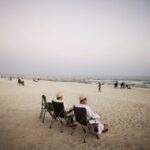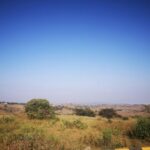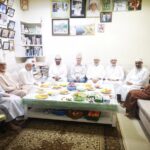
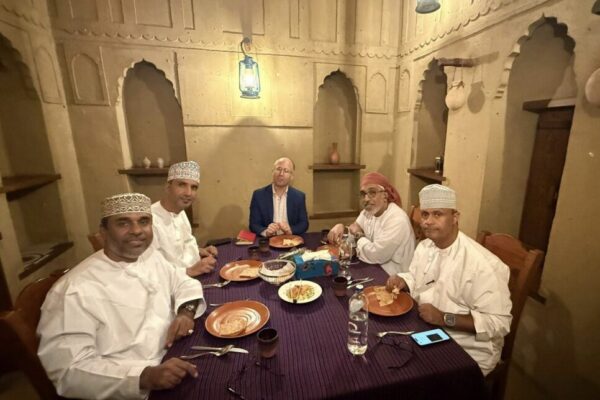
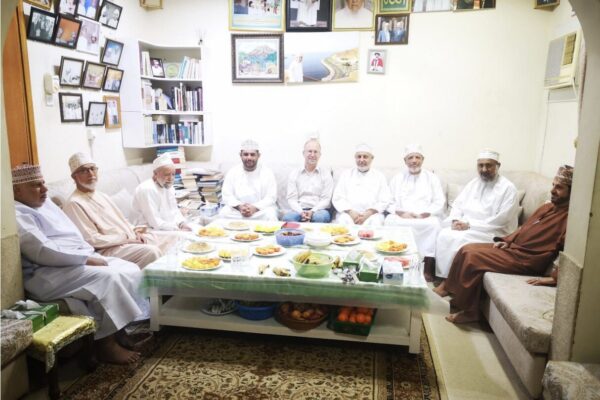
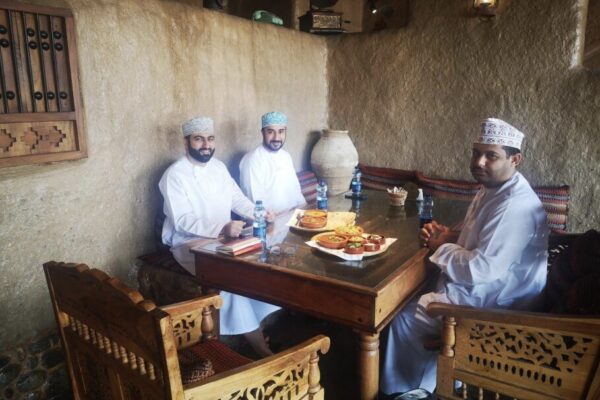
"I was amazed by the easy way I was introduced and connected to people. People were very welcoming and hospitable and offered my their time to explain about their customs, societal developments and history."
Would you also like to benefit from our Travel Grants? Our applications are open all year! Find out more about the application procedure and criteria here
Prior to my trip to Oman, I had prepared an introduction on the purpose of my visit, highlighting that I aim to write an article for the magazine ZemZem, which aims to increase my understanding about the Middle East for a Dutch speaking audience in the Netherlands and Belgium.
I summarized the topic of the article as follows: ‘Oman is a Gulf nation at peace with itself, while enjoying good relations with the world. The country has experienced rapid developments in the fields of economy, agriculture, education, healthcare and infrastructure. How has Omani society managed to preserve its cultural heritage, local customs and unique traditions in an increased globalized world? What does modernity look like in Oman? How is Oman’s society successful in maintaining social peace, co-existence and mutual trust in a polarized region?’ With this introduction, I managed to connect to various writers, clergymen and historians in Oman.
In addition to information gathered through desktop research, I had various contracts/entry points through my own network in the Netherlands. Finally, prior to my visit I was able to speak with Mr Rabbani on the annual LRF meet and greet, where he gave me some ideas on Oman. My prior knowledge of Arabic as well as the fact that I used to live in Yemen (and am married to a Yemeni from Hadramaut) allowed me to interact quite easily. However, I was amazed by the easy way I was introduced and connected to people. People were very welcoming and hospitable and offered my their time to explain about their customs, societal developments and history.
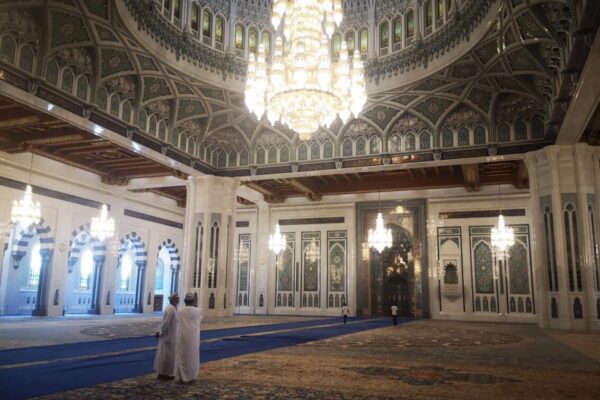
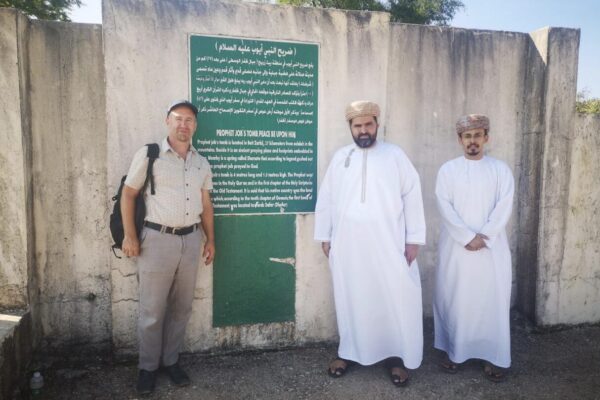
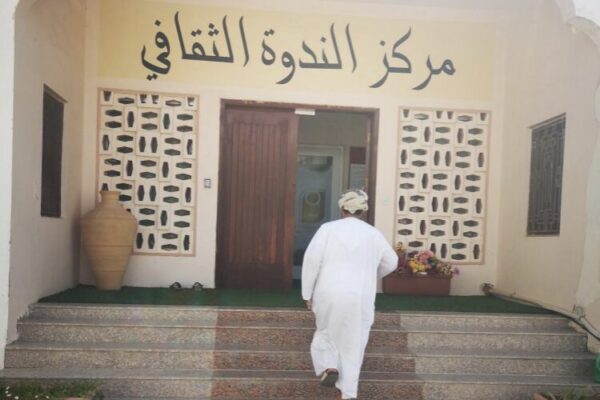
I stayed in Muscat for a few days and then travelled by bus to Salalah (13 hrs), where I stayed for 3 days and visited the Dhofar mountains and nearby Murbat. Back in Muscat, I visited several musea, Nizwa and Bahla, where I was introduced to cultural centers, book shops and writers gatherings. The main lessons I took from all my conversations, observations and visits is that Oman is acountry which has been exposed to much more external influence than you expect from the outside.
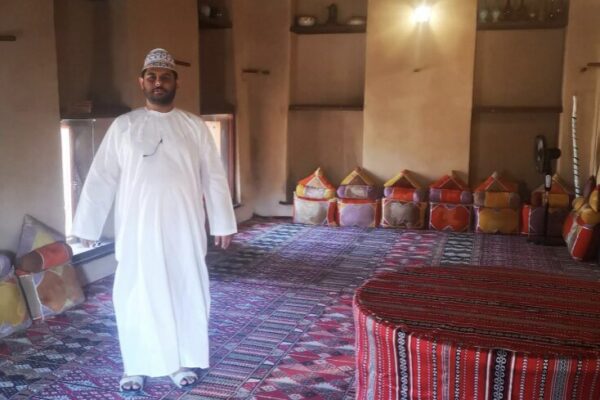
The fact that almost all (Omani) men walk in their white dishdasha and that customs and traditions are still very much valued doesn’t mean Omani culture is not subject to change. Although very different from neighbouring United Arab Emirates, Omani has historically been influenced by East Africa, Iran and Asia. Moreover, religiously the country has embraced a religious (Sunni, Shia, Ibadi) diversity in a different sense than other Gulf countries. In that sense, Oman shares more with Yemen than with neighboring UAE and Saudi Arabia.
That said, Oman developed very differently from Yemen and has for me been in many ways a contradiction to the country of Yemen that I know well: Oman has a well developed infrastructure, a stable economy, a cleaner environment, no poverty, functioning water and electricity services and most important of all, an effective governance system. The difference between now and Oman in the sixties is enormous: in that time many Omanis migrated to work in other parts of the Gulf, in Asia or in Zanzibar because of economic difficulties. Meanwhile, the country was weakened by internal rebellions.
This generation told me that they grew up in mud houses and explained that they experienced so much change in one generation that other countries experienced in five generations. Now how has this influenced Omani culture and identity? The change of traditional gender roles, people moving to the cities and the impact of labour migration (mostly from Asia) in addition to globalization trends (social media, cosmopolitan cultures) has impacted Omani culture and identities and has weakened social cohesion.
At the same, Omanis have (re) embraced their traditions by re exploring their history, culture and identity.